Showing posts with label utah. Show all posts

Thursday, May 21, 2015

Help Me Take Care Of My Lawn!


Spring has sprung!  Of course, living in Utah, we can never be 100% sure that one last snowstorm will sneak up on us, but for all intents and purposes, we are on the eve of a summer of outdoor fun and adventure.  One of the first steps to segue into spring and summer is by taking care of your lawn, which may or may not have been as battered as normal due to our mild winter.

When caring for your lawn, it's important take the appropriate steps to make sure that it is healthy, green, and beautiful.  Follow the basic steps below to ensure that your lawn is ready for summer barbecues, flag football games, and more.

1.     Follow the One-Third Rule – NEVER cut your grass more than one-third of its current height.  Taking more than that one-third is traumatizing on the grass plant and will lead to unhealthy, dying grass that is hard to treat.  If your lawn needs to be cut by more than this one-third rule of thumb, you can do it in stages over a few days.
2.     Cut Your Grass to the Highest Acceptable Height – By cutting your grass a little longer, you are ensuring that it retains water more than if it were short.  More retained water means greener grass.  While a short lawn may hold some visual appeal, your lawn will brown and the soil will quickly dry and lose crucial nutrients.
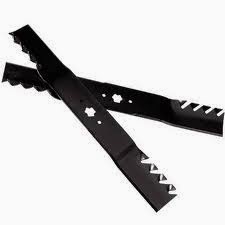
3.     Sharpen Your Mower Blades – Unsharpened mower blades take a toll on your grass, as that hack at the grass rather than cut it cleanly.  Grass that has been hacked at is damaged and more prone to not growing healthily.  Blades can be easily sharpened, and should be sharpened at least twice a season.
4.     Fertilize – Fertilizing your lawn ensures that your grass is given the appropriate nutrients to stay healthy and green.  Fertilizer is readily available at any home and garden center, and is easily applied to your lawn.  It's best practice to treat your lawn with fertilizer every 4-6 weeks to keep it looking beautiful and green.
5.     Treat Weeds and Disease – If you have some unsightly brown spots or dandelions, you may have a problem with your lawn.  Insects, disease, and weeds can undermine a dedicated lawn care effort.  There is treatment through various products such as weed and feed, but the best course of action is to consult a lawn care professional for further advice and treatment.
6.     Watering Your Lawn – Deep watering is  When watering, it's more effective to water every few days than for a little bit every day.  Having said that, you will want to give your lawn at least 1 ½ inches of water a week.  Make sure to water it in the mornings to make sure the water doesn't quickly get burned off by the scintillating summer sun.
best.

Crowell's Flying Wrench is a full-service mobile repair company that comes to you and services your equipment at your convenience.  Our lawn mower repair service in Draper, Utah provides years of experience and friendly service that will leave a lasting impression upon you.  In addition to Draper, we service all of the Salt Lake Valley.  Give us a call today to see how we can help you!

By: Kyson Crowell

Tuesday, April 28, 2015

How To Care For Your Lawn

It’s easy to look at many of the beautifully manicured yards that exist throughout our neighborhoods and communities and wonder just how they do it.  Pristine lawns and perfect flower beds perfectly complement houses, and it all can make us a little jealous.  Believe it or not, most of these horticultural masterminds were once in our shoes and had to hone their craft through years of trial and error. 

In order to really get your yard looking swell, the main tools for success you will need are a lawn mower and a string trimmer, which is more commonly known as a weed whacker.  It’s more than likely that you already have at least a lawn mower, and you can buy a weed whacker quite affordably. 

When mowing your lawn, it’s important to remember the following steps:
  • -        Remember to mow your lawn when the grass is dry
  • -        Be sure to adjust the blades to ensure that the grass cut no shorter than least 3 inches
  • -        Mow in a distinguished pattern, and change the mowing pattern each time you mow
  • -        Always mow with the mower in front of you
  • -        Avoid mowing in the heat of the day to prevent heat stress on the grass (and on yourself)
  • -        Keep your mower blades sharp and balanced

When trying your hand at weed whacking, remember the following steps:
  • -        Hold the weed whacker as close to the ground as possible, then start it
  • -        Use a steady side to side motion, walking forward
  • -        Make sure to not run the weed whacker on rocks, as they will wear down the line more quickly.
  • -        If weeds aren’t being cut immediately, turn the weed whacker off and pull more thread out.

As you hone your craft, mowing will become more easy and enjoyable.  Caring for your lawn mower can seem overwhelming, but as long as you are adding the right kind of fuel and are sharpening the blades regularly (experts agree that blades should be sharpened every 8-12 hours of use), you’ll be ok.  Caring for a weed whacker is fairly simple as well, as you will need to make sure that you have enough line to get the job done, as well as the right kind of fuel, if your weed whacker is gas-powered. 


If you need further repairs, Crowell’s Flying Wrench offers affordable, convenient mobile small engine repair.  Our lawn mower repair in Herriman, UT will come right to you and make sure that your mower or weed whacker is always running like new.  Give us a call at (801) 860-3605 or schedule an appointment on www.crowellsflyingwrench.com today.  We look forward to serving you!

Wednesday, February 18, 2015

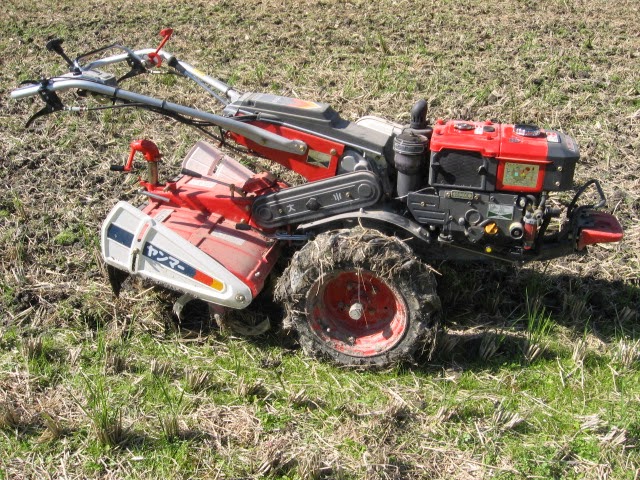
What Size Of Tiller Is Best For You?


Due to the unseasonably warm weather here in Utah, many of us have started to think about getting our gardens ready for spring.  Many of us have gardens both large and small, and yards that are waiting to be cultivated.  It’s important to pick the correct tiller for the job, but it’s also important to understand what size of tiller will be best for your particular project.
When thinking of what type of tiller you will need, think about the size of your garden.  A small garden is considered to be less than 1,500 square feet, a medium garden ranges from 1,500 square feet to 5,000 square feet, and a large garden is anything over 5,000 square feet.  Another consideration is based on the type of garden soil you are dealing with, as well as the size of the gardener! 
Typically, a small garden can be managed by a mini-tiller.  Mini-tillers range in price from $200 to $350.  A medium-sized garden is manageable with a 5 to 6-horsepower front-tined tiller, which range in price from $500 to $800.  Large gardens require at least a 6-horsepower rear-tined tiller, which can run from $800 to $2,000.
If the soil in your garden is very hard or rocky, a mini-tiller will often be underpowered to perform admirably, usually requiring a larger 4 to 6-horsepower tiller.  Keep in mind that if you are looking to till your entire yard, you won’t be able to get by with a mini-tiller either.  A large rear-tined tiller will typically work best when you are covering a large area, and the abundance of room to maneuver will be important. 
There are other cons  Front-tined machines are a little more difficult to manage, but that difficulty is offset by the lighter weight of the machine.  Rear-tined machines are a bit easier to use, due to their increased power, but they are more expensive and take up a great deal of space in your shed or garage. 
iderations when you look at what type of tiller would be more effective for you.
Crowell’s Flying Wrench offers tiller repair in Salt LakeCity, UT for any type of tiller.  Our mobile service will come to you anywhere in Salt Lake County or Park City, and our professional staff will quickly get your tiller running at full speed again.  Give us a call today to see what we can do for you!

By: Kyson Crowell

Thursday, January 22, 2015

What If Your Tiller Doesn't Start?

Even though we are mired in the dead of winter, you can never begin to plan too early for lawn care.  The piles of snow and ice have done a number on our lawns, and it may be time to seed new grass or prepare your vegetable or flower garden for when spring comes.  Before long, it will be time to take out the trusty tiller and get to work.  

In order to become more efficient, tillers have come a long way from their humble beginnings.  Simple push mowers have given way to the convenience and accessibility of gas-powered tillers.  Gas-powered tillers are reliable, dependable machines that will serve you faithfully for many years.  However, there does come a time where you add gasoline and oil, pull the starter cord, and… nothing.  The silence can be deafening.  Most failures to start a tiller result from a problem in the fuel or ignition system, so a few troubleshooting methods may help you identify and correct the problem.
Old gasoline is often the cause of a tiller that won’t start.  Gasoline that has been sitting in the tank since last year can often settle or condensation can seep in.  Drain the old fuel and replace it, while checking the carburetor and intake manifold bolts to ensure they are tight and ensure that all linkages are connected.  Everything pertaining to the fuel line needs to be nice and tight.  Be sure to replace the fuel according to manufacturer’s specifications.  Your tiller is likely fueled by regular high-octane fuel or is a two-cycle motor that requires the specified gas-oil mixture.  Ensure that if there is a fuel shutoff valve, that it is put in the open position. 

Also take a moment to check the ignition.  If your tiller has a shutoff switch, make sure the switch is in the “On” position when attempting to start it.  Disengage all attachments, make sure the transmission is in neutral, and all operating handles are in the correct starting positions.  Also check the spark plug by removing it and touching the bare metal of the spark plug’s base to the bare metal of the engine.  Look for the accompanying spark between the electrodes.  If there is none, it’s time to replace the spark plug.

Also, it’s important to check the fuel cap vent to ensure it’s open and that all filter screens in the tank are clear.  Take a moment to look at the air cleaner, as a dirty air cleaner can flood the engine or restrict air intake.  If none of these troubleshooting items fixes your tiller, give Crowell’sFlying Wrench a call.  Our mobile small engine repair team specializes in tiller repair, and we are eager to serve you with professional experience and competitive prices.  We serve Park City and the Salt Lake Valley.  Call us today.

By: Kyson Crowell

Thursday, January 8, 2015

How Often Should You Sharpen Your Lawn Mower Blade?

Although we are mired in the cold of winter, spring is never far away.  As those winter snows melt away and flowers begin to blossom, many of us get back into the routine of lawn care.  Part of that lawn care means unpacking the lawn mower and making sure your grass looks trimmed and well-maintained. 

If you've owned a mower for a while, you surely have noticed that your lawn mower might not seem to trim as cleanly or effectively as it did when it was brand new.  The quality of your work has decreased, and a mowing job that used to take you 30 minutes is now taking you 45 minutes, and the results just aren't as good.  No, your mower isn't losing its efficacy, nor does it have any mechanical issues.  In reality, your lawn mower blades are dull and the time has come for the blades to be sharpened. 

It is recommended that you sharpen lawn mower blades twice a season.  Considering the typical mowing season in Utah can range anywhere from 6-9 months, it’s something you will want to look to do at the beginning of the spring and at some point in the summer.  Sharpened lawn mower blades will help you maintain a green, healthy lawn.  A sharp blade not only cuts grass cleanly, but it reduces the time it takes to mow your lawn, as well as helping grass to recover quickly, helping you maintain that pristine, green lawn that you've worked so hard to cultivate.

A dull lawn mower blade doesn't cleanly cut grass.  In fact, it rips, pulls, and hacks grass blades, which leaves your lawn looking poor and promotes the invitation of fungal growth, disease, and weeds.  Grass that is not in top health can often be a battle that last months, or even years.  Sharpening a blade is important, and it’s something that is neglected far too often. 

Crowell’s Flying Wrench offers a mobile, convenient blade sharpening service that will come to you and leave you ready to mow your lawn like a boss once again.  Our friendly, professional service team will come to you anywhere in Park City and the SaltLake Valley to fix your mower, and no job is too big or too small.  We work on both push and sit down mowers, and our full-service offerings will also repair other lawn mower issues, including engine repair and full blade replacement.  Give us a call today to see what we can do for you!


By: Kyson Crowell

Tuesday, August 12, 2014

Tips and Tricks for Finding the Perfect Lawnmower for Your Lawn


When it comes time to trim the grass and perform some upkeep on the lawn, the key to making this a hassle-free chore is finding the perfect lawnmower. Just as with any other major project, attempting to tackle this job with the wrong tools means an unnecessary amount of time and energy being spent. For those that have recently begun the process of purchasing their first lawnmower or are simply looking to upgrade, here are some tips to keep in mind to get the most out of every penny invested.


Picking the Right Size
For the vast majority of property owners, a traditional push lawnmower will be sufficient for the weekly or monthly mowing sessions. This style is relatively easy to maneuver in smaller spaces and will stand up to quite a few years of use with the proper maintenance. For those that have larger years in the range of 1 or more acres, it may be best to focus on riding lawnmowers which are more expensive, but will also cut a much larger swath of grass at a quicker rate. The only thing to consider for those with a larger lawn is the amount of room there is to maneuver. If natural or man-made objects such as swimming pools or trees are in the way, a riding lawnmower could still be impractical.


A Closer Look at Blades

Modern lawnmowers have to primary blade setups, each with their own advantages and disadvantages. Much more common is the rotary mower in which a series of blades move in a circle while protected in a metal, plastic, or fiberglass housing. The blades will last quite some time, but there may also be less consistency with the length of the grass. The other style is the reel mower which is generally a little more expensive. Reel mowers have a fixed blade and spinning blades that sheer off grass when stuck between the two types of blades. This style is a good option for those that would like more control over the height of their grass or need to cut their lawn shorter.


Electric or Gas?
It often seems as if almost every landscaping specialist has their own opinion on which type of lawnmower is best when it comes to gasoline powered models or electric models. The advantages of electric models include much less noise while running, less maintenance, and lower running costs over time. The owner will not have to constantly change out spark plugs, oil filters, and many other components of gas mowers. Unfortunately, electric mowers are typically less powerful than gas mowers. Those with medium-sized lawns, uneven lawns, or lawns with thicker grass will want to focus on gas mowers. Those with a smaller and relatively well-maintained yard around their home may prefer electric mowers.


Mulching or Discharge Mowers?
The final decision that must be made is a mulching mower or a discharge lawnmower. A discharge lawnmower has a chute on either the back or along the side in which the clippings are propelled through and collected in a bag. A discharge mower, on the other hand, does not collect the clippings and instead discharges them directly back into the lawn. Discharge mowers are a great idea for those with thick or lush grass that might choke out the nutrients before they reach the soil. For sparse or dry grass, a mulching mower should be used to prevent dead grass from killing off the living grass underneath.

Once the buyer has a general idea of the size and style of lawnmower that they want, it is important to get a hands-on feel for different models. Small changes such as the height of the pushing bar or the ability to quickly release the collection bag can make quite a bit of difference over the years, but owners may not notice these nuances until they see the product firsthand.

Conclusion
If you are looking to better your lawn with a great lawn mower than make sure that you pick the right now. There is nothing worse than getting a lawn mower, using it and then figuring out it's not what you wanted. Do your homework because with a great lawn mower repair company in Salt Lake City you can keep it for a very long time.

By: Kyson Crowell

Monday, July 21, 2014

6 Ways To Save Money By Going Green

With the cost of energy use increasing in each household, more people are choosing to increase their savings and reduce their carbon footprint. Not only can going green reduce your spending, but it can also improve the environment through a variety of practices that are available. You can now take control over the cost on energy and products by making a few simple changes that revolutionize your budget.

  1. Switch to CFL Bulbs Incandescent bulbs have been widely used in most households for several decades, but use more energy and produce light differently. They will only work up to 1,200 hours and use 60 watts for a total household energy cost of $328 annually. It also releases 85 btus an hour compared to 30 btus with CFL bulbs. In comparison, CFL bulbs only use 13-15 watts for less greenhouse gas emissions for a product that follow strict performance requirements. Overall, CFL bulbs are known to use 75 percent less energy and last up to 25 times longer than traditional incandescent bulbs.

  2. Make Your Own Cleaning Products Although most people rely on store-bought products to clean their household, more are learning the benefits of homemade cleaning products that are less costly. Opt for mopping the floor or cleaning the toilet with a simple mixture that uses baking soda, vinegar, water, and unscented soap. It's a non-toxic solution that is safe on the environment and healthy for family members. Purchase the ingredients in bulk for savings that can amount to hundreds of dollars annually. For added scent, add a drop or two of essential oils into the formula for an incredible new and traditional way of keeping your home clean.

  3. Switch to E Cigarettes For smokers looking for an eco-friendly solution to their habit, e cigarettes are less harmful on the environment and a more affordable way of enjoying the effects of smoking. There is not any poison or tar in the electronic cigarettes, as it only contains nicotine. This allows the e cigarettes to be odorless and without any smoke that is expelled from the product, making it safe for the air and without as much waste produced. Besides the overall eco-friendly benefits, e cigarette refills used are about one-third of the cost of traditional cigarettes. By opting for e cigarettes, it can also work to reduce the cost of health insurance by becoming a non-smoker that uses e cigs.

  4. Upgrade to Energy Star Appliances Energy Star appliances are favored by those who go green due to the reduction in energy use and for the ample savings involved. Homes with Energy Star appliances use up to 50 percent less energy with an average of $110 in savings each year. The appliances work to reduce greenhouse gas emissions, while also using less water and fossil fuels. For the washers and dryers, more clothing can be washed in a single load for added convenience and less water used. Purchasing energy efficient bulbs is a great way to save money in the long run and help to go green. Replacing outdated appliances may cost more upfront, but the savings accounted for each year can add up to thousands of dollars in the next decade.

  5. Skip the Bottled Water Bottled water that is purified and safe to drink is popular for those on the go for a convenient product that is affordable. Although it may be easy to take when heading out the door, the habit could be costing you hundreds of dollars annually. This adds up to almost 500 bottles used per year for the average consumer, which is clogging up landfills and attributing to 87 percent of the amount dumped. Instead, opt for using a water filtration system for a convenient way of cleaning tap water and reducing the cost of water used in the household. This will ensure that the water consumed is just as clean and safe, while also reducing the waste produced each year.

6. Water Your Lawn Less A lot of people will water their lawn everyday, not only everyday but also during the hottest times of the day. By following that pattern you are telling yourself that you are mowing your lawn but is your lawn getting the best care? If you water your lawn in the early mornings before the sun comes up you are then allowing the water to seep in and not evaporate.  Also, if you choose to water your lawn every other day and do it in the mornings it will stay green and you will have a lower water bill.  The only problem is you are going to need to repair your lawn mower more because you will be using it more.

By: Kyson Crowell

Monday, July 14, 2014

Mulching vrs Bagging

As a mobile small engine repair provider in Salt Lake City and the surrounding areas, I get the opportunity to meet with a lot of different clients at places all around the valley. Over the years, I’ve heard many of the same questions over and over again. One of the most common things I am asked is whether or not bagging grass clippings is better than mulching. Like most things involving small engines, the answer is, “It depends.”
The question of mulching vs bagging has been around ever since the first mulching systems were introduced to the market. While the old-school opinion seems to be overwhelmingly in support of bagging, mulching systems have definite advantages when used in the right settings.
Mulching is a great way to recycle your grass clippings, and return some nutrients to the soil. They do this by chopping the grass into tiny pieces before spreading it out behind the mower. This is great for your lawn as it adds a little bit of natural fertilizer to the grass each time you mow it. Not only that, but you don’t have to worry about the hassle of filling bag after bag with your clippings, then hauling them off to be composted.
While the convenience of mulching is enough to convince many people to ditch the bag, not all situations are prime for mulching. For example, in early spring the grass retains a lot of moisture in its blades. When you try to mulch this wet, heavy grass it can clump up and bog down the mower. In addition to being unsightly, the clumps of wet grass prevent the mulch from being evenly distributed along the lawn. During the dog days of summer, however, your grass will be much drier and should mulch just fine. Go ahead and go without the bag on these days and save your energy for other yard projects.
Bagging has its own special application, even outside of the circumstances listed above. As any old-timer will tell you, bagging looks nicer. That’s because you’re cleaning up the clippings as you go. If you are concerned about aesthetics for some reason (Maybe you’ve got a backyard wedding, or garden party coming up? Or maybe this is a commercial application) bags are the way to go. It might take a little extra time, but you’ll reap the rewards of your labor while walking barefoot in that country club style yard carpet.

So there you have it. Whether you choose to bag or mulch should depend on a number of variables including, but not limited to: the time of year, the length of the lawn, and whether or not aesthetics are a major concern. Beyond that, it just boils down to your level of dealing with bags upon bags of grass clippings.

By: Kyson Crowell