Showing posts with label do it yourself. Show all posts

Tuesday, April 28, 2015

How To Care For Your Lawn

It’s easy to look at many of the beautifully manicured yards that exist throughout our neighborhoods and communities and wonder just how they do it.  Pristine lawns and perfect flower beds perfectly complement houses, and it all can make us a little jealous.  Believe it or not, most of these horticultural masterminds were once in our shoes and had to hone their craft through years of trial and error. 

In order to really get your yard looking swell, the main tools for success you will need are a lawn mower and a string trimmer, which is more commonly known as a weed whacker.  It’s more than likely that you already have at least a lawn mower, and you can buy a weed whacker quite affordably. 

When mowing your lawn, it’s important to remember the following steps:
  • -        Remember to mow your lawn when the grass is dry
  • -        Be sure to adjust the blades to ensure that the grass cut no shorter than least 3 inches
  • -        Mow in a distinguished pattern, and change the mowing pattern each time you mow
  • -        Always mow with the mower in front of you
  • -        Avoid mowing in the heat of the day to prevent heat stress on the grass (and on yourself)
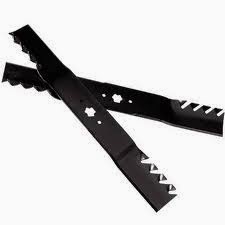
  • -        Keep your mower blades sharp and balanced

When trying your hand at weed whacking, remember the following steps:
  • -        Hold the weed whacker as close to the ground as possible, then start it
  • -        Use a steady side to side motion, walking forward
  • -        Make sure to not run the weed whacker on rocks, as they will wear down the line more quickly.
  • -        If weeds aren’t being cut immediately, turn the weed whacker off and pull more thread out.

As you hone your craft, mowing will become more easy and enjoyable.  Caring for your lawn mower can seem overwhelming, but as long as you are adding the right kind of fuel and are sharpening the blades regularly (experts agree that blades should be sharpened every 8-12 hours of use), you’ll be ok.  Caring for a weed whacker is fairly simple as well, as you will need to make sure that you have enough line to get the job done, as well as the right kind of fuel, if your weed whacker is gas-powered. 


If you need further repairs, Crowell’s Flying Wrench offers affordable, convenient mobile small engine repair.  Our lawn mower repair in Herriman, UT will come right to you and make sure that your mower or weed whacker is always running like new.  Give us a call at (801) 860-3605 or schedule an appointment on www.crowellsflyingwrench.com today.  We look forward to serving you!

Thursday, January 8, 2015

How Often Should You Sharpen Your Lawn Mower Blade?

Although we are mired in the cold of winter, spring is never far away.  As those winter snows melt away and flowers begin to blossom, many of us get back into the routine of lawn care.  Part of that lawn care means unpacking the lawn mower and making sure your grass looks trimmed and well-maintained. 

If you've owned a mower for a while, you surely have noticed that your lawn mower might not seem to trim as cleanly or effectively as it did when it was brand new.  The quality of your work has decreased, and a mowing job that used to take you 30 minutes is now taking you 45 minutes, and the results just aren't as good.  No, your mower isn't losing its efficacy, nor does it have any mechanical issues.  In reality, your lawn mower blades are dull and the time has come for the blades to be sharpened. 

It is recommended that you sharpen lawn mower blades twice a season.  Considering the typical mowing season in Utah can range anywhere from 6-9 months, it’s something you will want to look to do at the beginning of the spring and at some point in the summer.  Sharpened lawn mower blades will help you maintain a green, healthy lawn.  A sharp blade not only cuts grass cleanly, but it reduces the time it takes to mow your lawn, as well as helping grass to recover quickly, helping you maintain that pristine, green lawn that you've worked so hard to cultivate.

A dull lawn mower blade doesn't cleanly cut grass.  In fact, it rips, pulls, and hacks grass blades, which leaves your lawn looking poor and promotes the invitation of fungal growth, disease, and weeds.  Grass that is not in top health can often be a battle that last months, or even years.  Sharpening a blade is important, and it’s something that is neglected far too often. 

Crowell’s Flying Wrench offers a mobile, convenient blade sharpening service that will come to you and leave you ready to mow your lawn like a boss once again.  Our friendly, professional service team will come to you anywhere in Park City and the SaltLake Valley to fix your mower, and no job is too big or too small.  We work on both push and sit down mowers, and our full-service offerings will also repair other lawn mower issues, including engine repair and full blade replacement.  Give us a call today to see what we can do for you!


By: Kyson Crowell

Monday, July 14, 2014

Mulching vrs Bagging

As a mobile small engine repair provider in Salt Lake City and the surrounding areas, I get the opportunity to meet with a lot of different clients at places all around the valley. Over the years, I’ve heard many of the same questions over and over again. One of the most common things I am asked is whether or not bagging grass clippings is better than mulching. Like most things involving small engines, the answer is, “It depends.”
The question of mulching vs bagging has been around ever since the first mulching systems were introduced to the market. While the old-school opinion seems to be overwhelmingly in support of bagging, mulching systems have definite advantages when used in the right settings.
Mulching is a great way to recycle your grass clippings, and return some nutrients to the soil. They do this by chopping the grass into tiny pieces before spreading it out behind the mower. This is great for your lawn as it adds a little bit of natural fertilizer to the grass each time you mow it. Not only that, but you don’t have to worry about the hassle of filling bag after bag with your clippings, then hauling them off to be composted.
While the convenience of mulching is enough to convince many people to ditch the bag, not all situations are prime for mulching. For example, in early spring the grass retains a lot of moisture in its blades. When you try to mulch this wet, heavy grass it can clump up and bog down the mower. In addition to being unsightly, the clumps of wet grass prevent the mulch from being evenly distributed along the lawn. During the dog days of summer, however, your grass will be much drier and should mulch just fine. Go ahead and go without the bag on these days and save your energy for other yard projects.
Bagging has its own special application, even outside of the circumstances listed above. As any old-timer will tell you, bagging looks nicer. That’s because you’re cleaning up the clippings as you go. If you are concerned about aesthetics for some reason (Maybe you’ve got a backyard wedding, or garden party coming up? Or maybe this is a commercial application) bags are the way to go. It might take a little extra time, but you’ll reap the rewards of your labor while walking barefoot in that country club style yard carpet.

So there you have it. Whether you choose to bag or mulch should depend on a number of variables including, but not limited to: the time of year, the length of the lawn, and whether or not aesthetics are a major concern. Beyond that, it just boils down to your level of dealing with bags upon bags of grass clippings.

By: Kyson Crowell

Tuesday, June 10, 2014

Does Your Lawn Mower Stop Running After A Few Seconds?

Over the last few posts we have discussed a few possible solutions for a small engine that stops running after a few seconds. From using fuel stabilizer to prevent gas separation, to cleaning the carburetor. But there are two other common problems that could prevent your engine to lose power after starting; Bad spark plugs and the lesser known clogged gas cap.

Sparks plugs, as their name might suggest, provide the spark that ignites the gas in your engine.  When they go bad the engine won’t be able to run properly. Replacing spark plugs in your small engine is as easy as it is cheap. You simply remove the wire covering, and use a socket wrench to unscrew the spark old spark plug. Replace it with the new one and you should be good to go.

Another possible reason your engine won’t stay running is a bad gas cap. Gas caps have tiny vents in them to allow airflow to the gas tank. When they get clogged the engine can’t breathe, so to speak, and shuts down. To check if your gas cap is bad, try loosening it before starting the engine. If it runs better like this, the cap needs to go.


While there are many things that can cause your small engine to stop running after a few seconds, spark plugs and gas caps are cheap and easy to rule out. It is best to try the easy and inexpensive solutions before moving on to more complex repairs like disassembling your carburetor. Of course, if you are in Salt Lake City or surrounding areas, you can always give us a call and we can help you diagnose the problem

By: Kyson Crowell

Thursday, May 29, 2014

Cleaning the Carburetor on Your Lawn Mower or Small Engine

A clogged carburetor can wreak havoc on a mower or small engine. If it sounds like your machine is struggling to idle, is lacking power or simply won’t start, cleaning the carburetor may be the answer to your problems.

Removal will vary depending on the model and type of engine, but once completed, the cleaning process is pretty much the same. First, you need to clean off the dirt and grime from around the idle assembly and the rest of the carburetor. Buildup in this area is often the cause of idling issues.

Once you have cleaned the exterior you are ready to take it apart and clean the inside. Using a socket wrench, remove the bolt holding the bowl on the carburetor. Be careful here, because some gas may pour out. Hold the assembly over a cup to prevent spilling all over your workspace. Once the bowl is removed, set it aside for later.

Remove Float Pin
Using needle nose pliers, remove the pin that holds the float and needle in place. Set this aside in the bowl, where it can be easily retrieved later. Remove the needle and float assembly and set them aside as well. Here is where you break out the carburetor cleaner.

Using short, half-second bursts of canned carburetor cleaner, spray each of the tiny holes on the inside of the chamber. Turn the carburetor body over and spray again through the bottom. Be sure to spray in through the jet as well. Do not, however, spray any cleaner into the hole the needle goes into because it will eat away at the area.

spray in through the jet as well. Do not, however, spray any cleaner into the hole the needle goes into because it will eat away at the area.

Using thin gauge wire (or a stripped down twist-tie, clear out any blockage or debris stuck in these holes and the jet. Use the wire to clear out the holes in the fixed jet as well. Once finished, use a compressor or compressed air to blast out any remaining grime. Be sure to wear eye protection, because carburetor fluid is not gentle on the eyes. Once completed, you are ready to reassemble. When you’ve reassembled the carburetor and put it back on the machine you should be good to go!

Cleaning out the carburetor on your small engine may seem daunting, but it is one of the easier bits of maintenance you can do. Improve the performance of your machine and extend its useful life by going through this process frequently. It’s like they say, an ounce of prevention is worth a pound of cure. A little effort spent cleaning your carburetor regularly is worth it when compared to the price of a new motor. 

By: Kyson Crowell

Tuesday, April 8, 2014

Should I Use a Fuel Stabilizer

There is no shortage of products that claim to revolutionize the performance of your engine. Mowers and small engines are no different. You can get everything from antiknock agents that increase fuel’s octane rating, to additives with specially formulated enzymes designed to clean the entire fuel system. Many products falsely claim to be the silver bullet for your engine’s problems, but few are as helpful as fuel stabilizers.
Fuel stabilizers are important because of the increasing amount of ethanol found in gasoline sold across the country. While the addition of ethanol makes fuel burn cleaner, it can have adverse side effects if not used properly. The problem is that the ethanol draws moisture from the air over time. This moisture collects in the bottom of your gas tank and can wreak havoc on your entire fuel system. If left sitting long enough, gas can experience phase separation – a process by which the accumulated water separates from the rest of the fuel in the tank. Once completed, phase separation cannot be reversed. You’ll have to take your machine to a nearby small engine repair center and have it professionally drained. Avoid this hassle altogether by using fuel a quality fuel stabilizer.

Stabilizers work by breaking up water molecules that have accumulated in the tank, and allowing them to mix with the rest of the fuel. Check this out yourself by pouring some stabilizer into a cup of water. You can see the stabilizer go to work as the water begins to form tinny beads right before your eyes. This is the same process that allows your machine to easily burn through gas that would otherwise be problematic.
Fuel stabilizers don’t just help your engine burn through gas that has accumulated water over time. They also extend the life of your machine by reducing the amount of strain it is put through. You see, just because your engine is running, doesn’t mean water hasn’t accumulated in the system. Small engines are tough; they are capable of operating with a little bit of water in the line, it just takes a bit more work. This additional strain wears out the components of your engine. Additionally, constant exposure to watered-down fuel contributes to the corrosion of your carburetor, fuel injectors and other small engine components. Fuel stabilizers address all of these concerns.


When it comes to cars, like many other things, an ounce of prevention is worth a pound of cure. By increasing efficiency and reducing the levels of corrosive elements inside the engine, using a fuel stabilizer just twice a year has been shown to boost performance and extend the life of small engines.

By: Kyson Crowell

Sunday, March 30, 2014

Ethanol vrs Straight Gasoline

Ethanol has been used as a gas substitute for years. The alternative fuel produced from corn has been added to gasoline at pumps across the country, but in recent years many have begun to question its effects on small engines.

Gasoline containing up to 15% ethanol (E15) has been approved by the EPA for use in cars produced since 2001, but not in small engines like lawn mowers and leaf blowers. They found that the fuel caused small engines to run at higher temperatures than straight gasoline, which caused a number of problems including component failure.

While E15 is prohibited for use in small engines, its diluted counterpart E10 is not. Gasoline with 10% ethanol content can be found just about anywhere. The FDA has given it the go ahead with respect to use in small engines but many in the industry are not quite convinced. The Outdoor Power Equipment Institute, the trade organization for the industry, has indicated small engine repair shops everywhere are reporting the same problems caused by E15 in engines that only use E10. I have seen these issues first hand at my shop, Crowell’s Flying Wrench Mobile Small Engine Repairs.

Proponents of higher ethanol content refute these claims, pointing to a go-cart race park that runs its entire fleet on fuel containing a whopping 85% ethanol. An operation like that puts an incredible amount of stress on their engines; if a higher ethanol content can be linked to increased wear and tear, they should be able to reproduce these negative effects. Al Novstrup, owner of Thunder Road Family Fun Park, has been running his fleet of 135 go-carts on E85 gasoline for over 7 years and has yet to see any of the problems described in the FDA report.

Whichever side of the fence you land on, it is still best to heed the FDA guidelines and not use E15 gasoline in your small engine equipment. Particularly cautious individuals can buy specialty gas at home and garden stores and small engine dealers everywhere. You will certainly pay a higher price for this type of fuel but for many, the piece of mind is worth the extra money. If you prefer not to go this route, you can minimize the risk of damage by trying to run through the gas in your mower as quickly as possible during the summer months. This gives less time for the ethanol to draw water into the fuel system.

By: Kyson Crowell